
The Search for a Witness
Maigret and the Dead GirlThis flow follows the investigation’s widening circle of witnesses and the way small, imperfect memories become usable evidence.
increasing Bearing strength in each event
 decreasing
Bearing strength in each eventdecreasingA Call from Rose
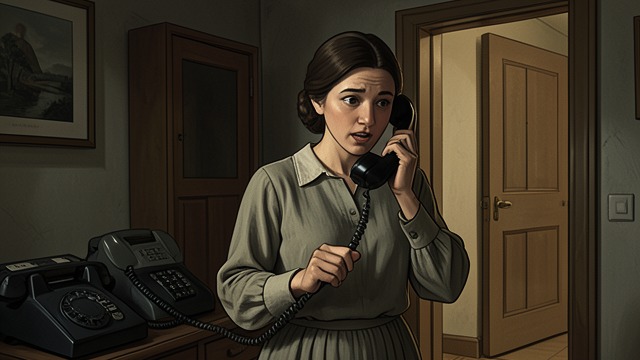
A Call from Rose
A Nervous Caller
A young maid named Rose telephones Jules Maigret and gives him an address on Rue de Clichy. Her hesitant voice and fear of the telephone contrast with the importance of what she knows.
A Door Opens
The call leads Maigret and Inspector Janvier to the building where Louise rented a room. Rose has not solved the case, but she supplies the first route from a newspaper image to an identifiable home.
The Concierge’s Compromise

The Concierge’s Compromise
A Hidden Lodger
The concierge admits that Madame Crêmieux took paying roomers while pretending they were relatives. She recognized Louise in the newspaper but delayed speaking because the arrangement could cost her job.
Fear and Disclosure
Once Maigret questions her, the concierge gives Louise’s name, arrival period, and daily habits. Her compromised position shows how legal and personal anxieties can delay information without making a witness wholly unhelpful.
The Taxi Driver’s Memory

The Taxi Driver’s Memory
A Brief Encounter
Inspector Lognon locates Léon Zirkt, a taxi driver who remembers a woman leaving Le Roméo on foot. The shabby blue dress made her memorable against the party’s formal setting.
Time and Direction
Zirkt later sees her walking toward the Champs-Élysées and notes the time. His recollection gives investigators a reliable path through the city, although it cannot say what Louise was thinking or where she ultimately intended to go.
The Waiter’s Observations
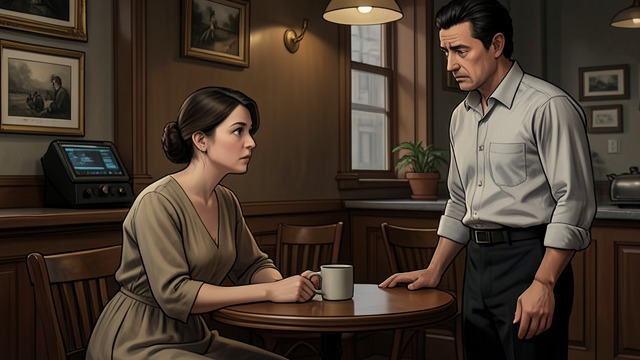
The Waiter’s Observations
Attempts to Call
Inspector Janvier questions café staff along the route and finds a waiter who remembers Louise trying repeatedly to reach someone. She orders grogs, sits alone, and seems close to tears without actually crying.
A Human Detail
The waiter’s memory is not forensic precision, but it reveals a woman in distress before the wedding visit. It helps Maigret reconstruct her emotional state from ordinary behavior that no official record could preserve.
Albert’s Managed Story

Albert’s Managed Story
A Professional Witness
Albert Falconi answers Jules Maigret in clipped, controlled phrases. He reports the letter, the bar’s customers, and a second American, using plausible details to redirect suspicion toward an invented pursuit.
A Witness Becomes a Suspect
The precision of his account ultimately works against him. Maigret recognizes that Falconi has tailored the story to sound persuasive, and the interview shifts from evidence gathering to confrontation.
The morning after the photograph appears
Later that morning on Rue de Clichy
The second day, during Lognon’s report
The second day, after Maigret assigns Janvier
Near the climax, at Pickwick’s Bar
